

Planning checklist
Prepare the home before the first visit.
A few details gathered early can make the first care conversation smoother and more useful for everyone involved.
Helpful to have nearby
Medication list, diagnoses, physician contacts, emergency contacts, mobility notes, allergies, equipment details, and daily routine preferences.
Talk with our teamGuided support
The next step should feel clear, even when the situation is heavy.
Support pages are built around the questions families and professionals ask first: what to prepare, who to call, what to expect, and how to move forward with confidence.

Sort the essentials
A few details about schedule, care needs, and coverage can turn uncertainty into a useful conversation.
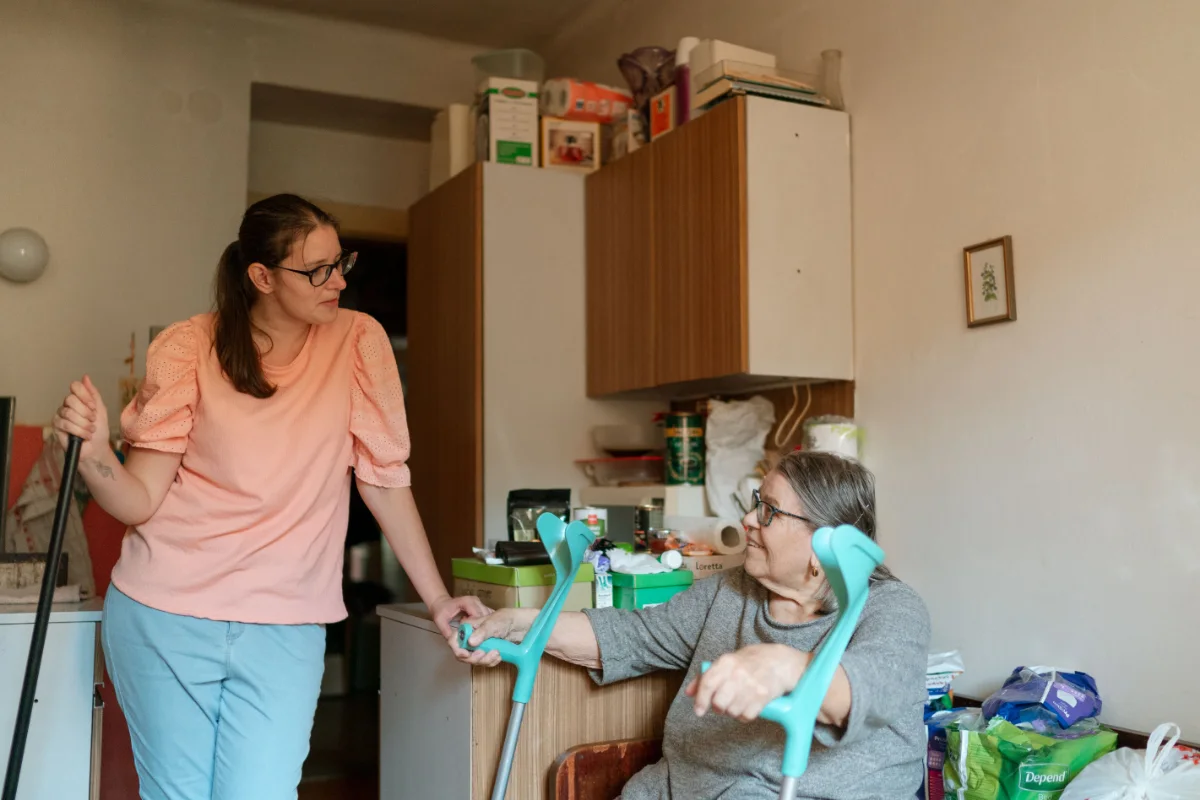
Keep the family close
Good guidance makes room for emotion while still protecting the practical next step.
Turn questions into action
Referrals, first visits, and care requests are easier when the path is simple and warm.
Care details
Bring together the information that shapes care scope, safety, timing, and communication.
- Current medications, allergies, diagnoses, recent hospital or rehab stay details
- Mobility, transfer, fall-risk, feeding, toileting, bathing, or behavior support needs
- Preferred visit times, household access instructions, pets, and cultural or faith preferences
People to include
The best care starts when the right family member, referral partner, or physician office is looped in from the beginning.